
PAULNACHE PRESENTS
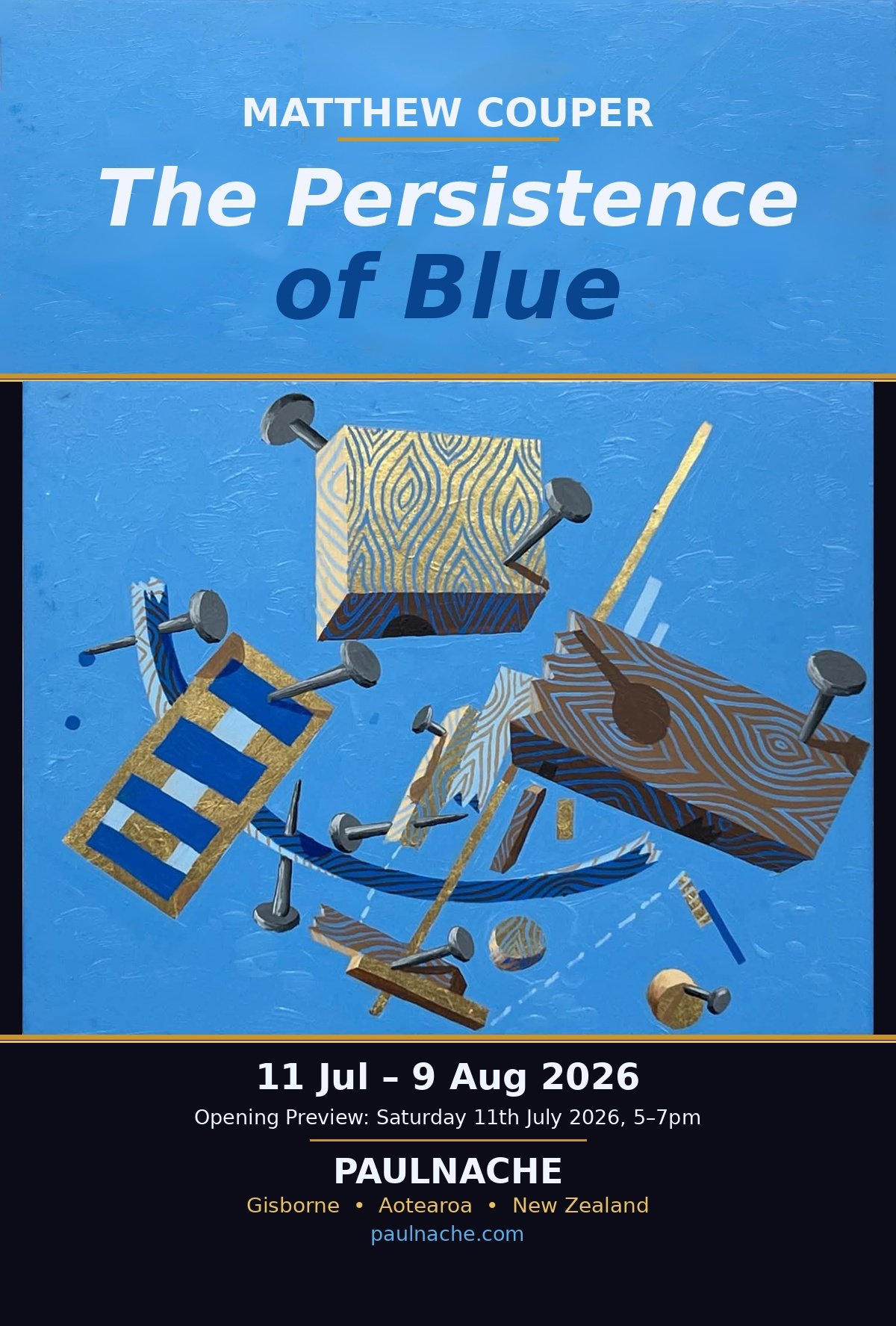
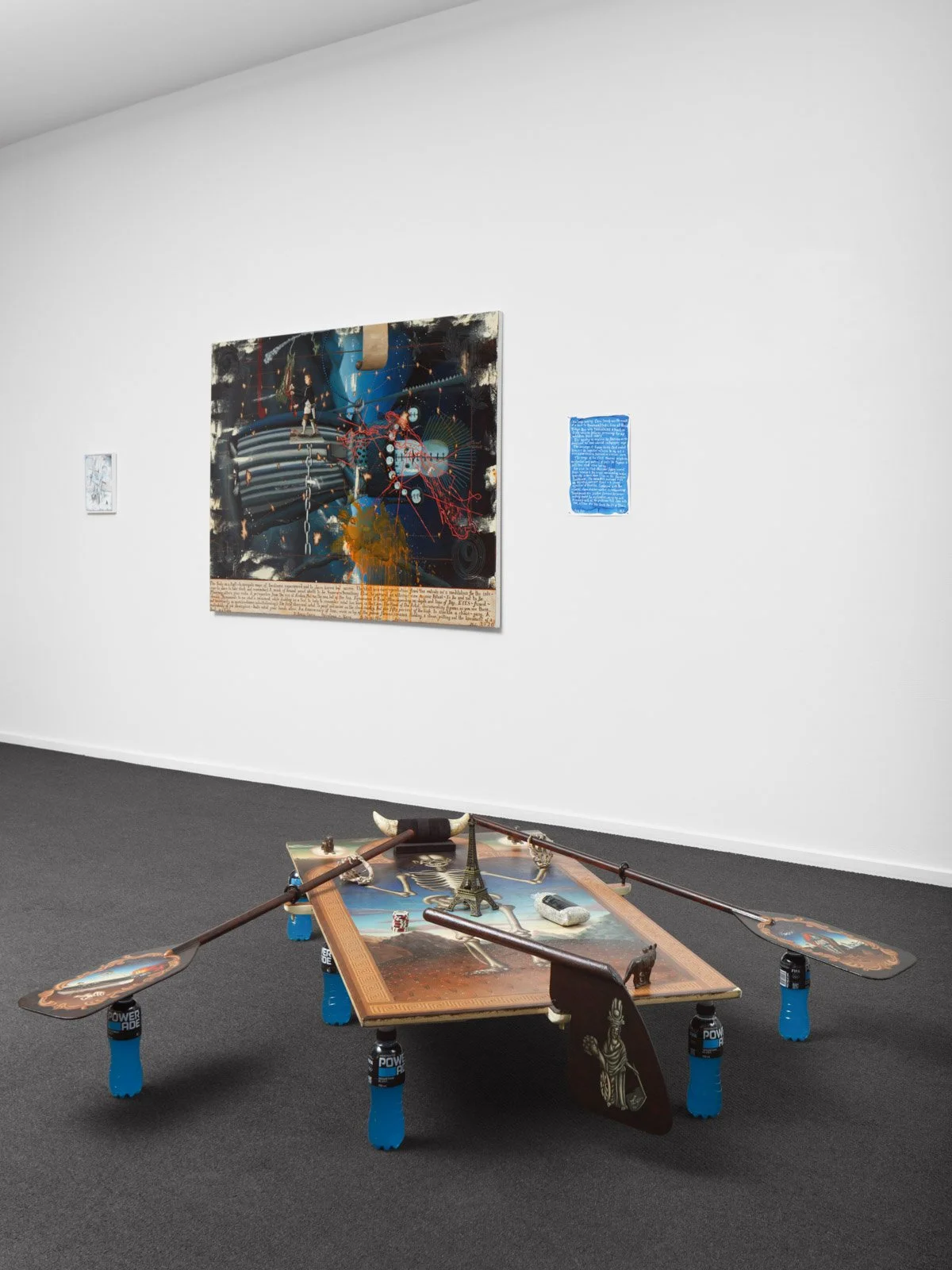
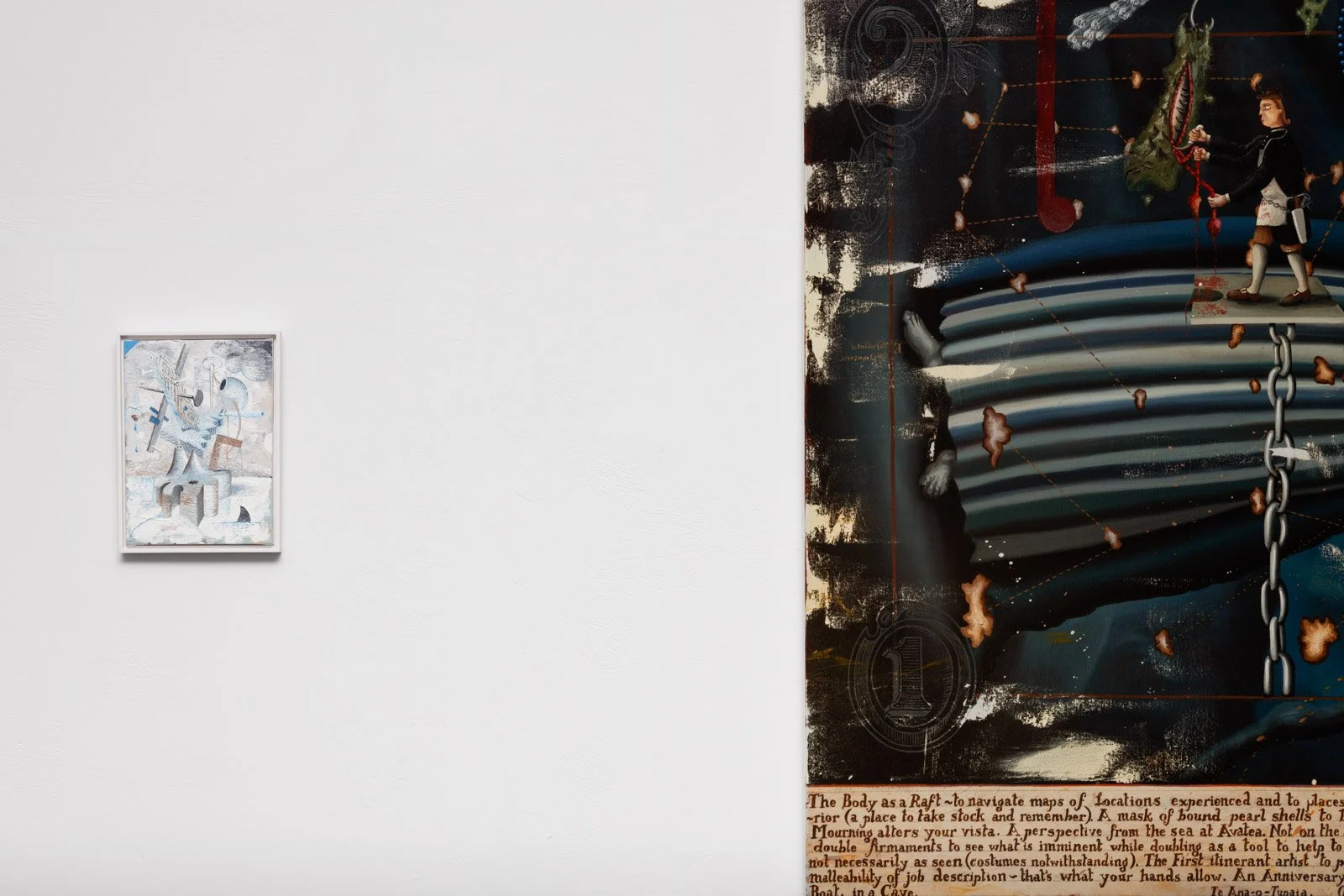
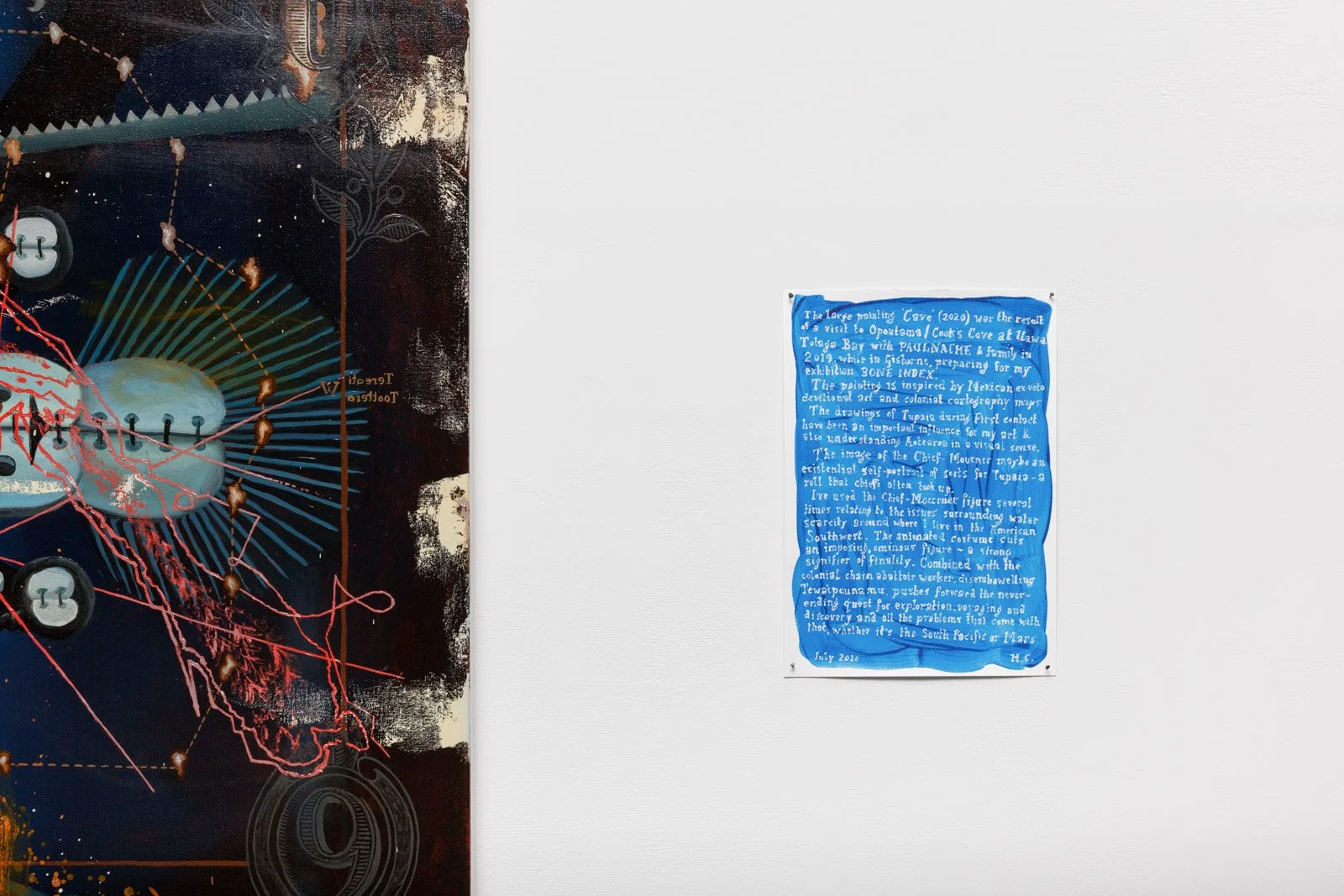
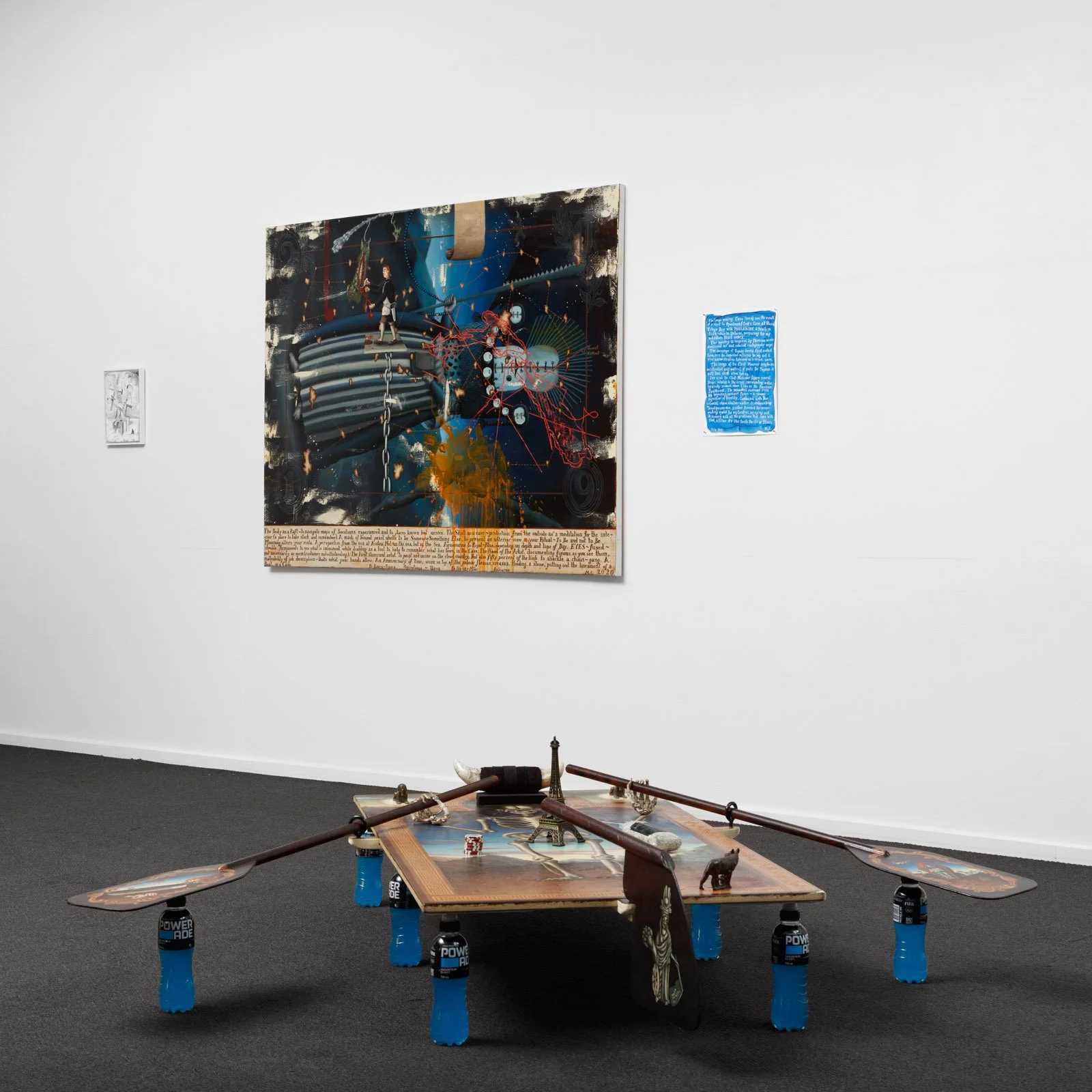
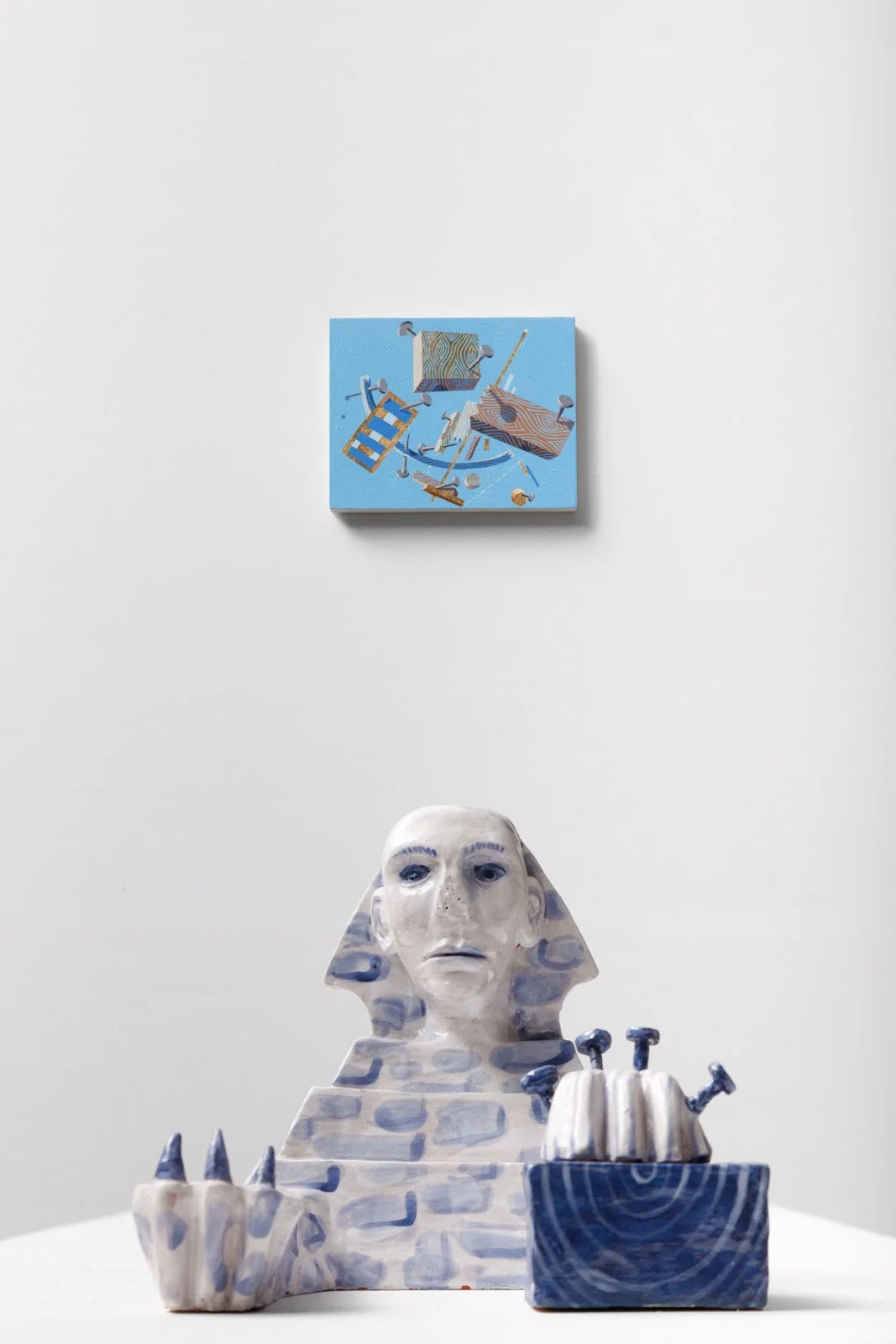
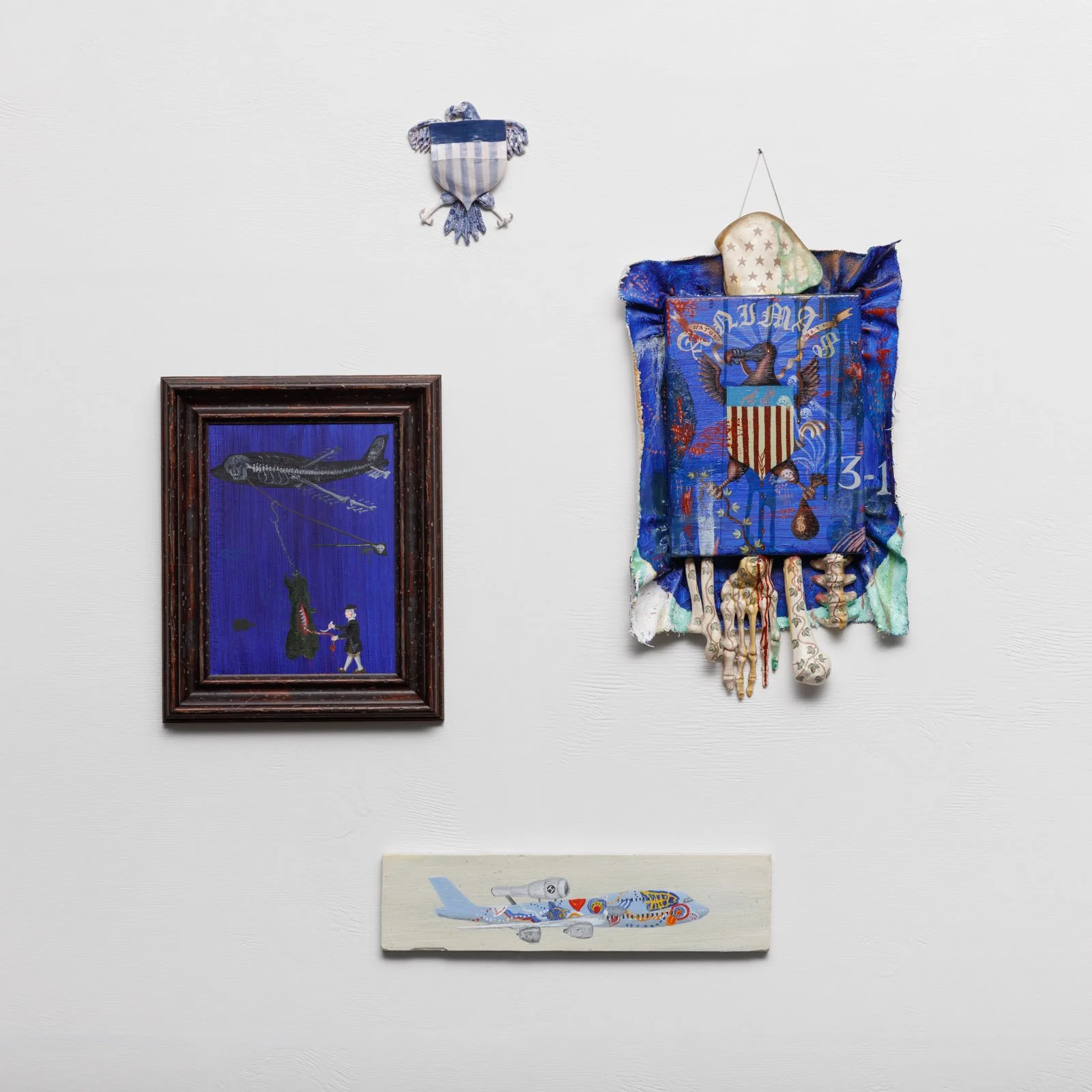
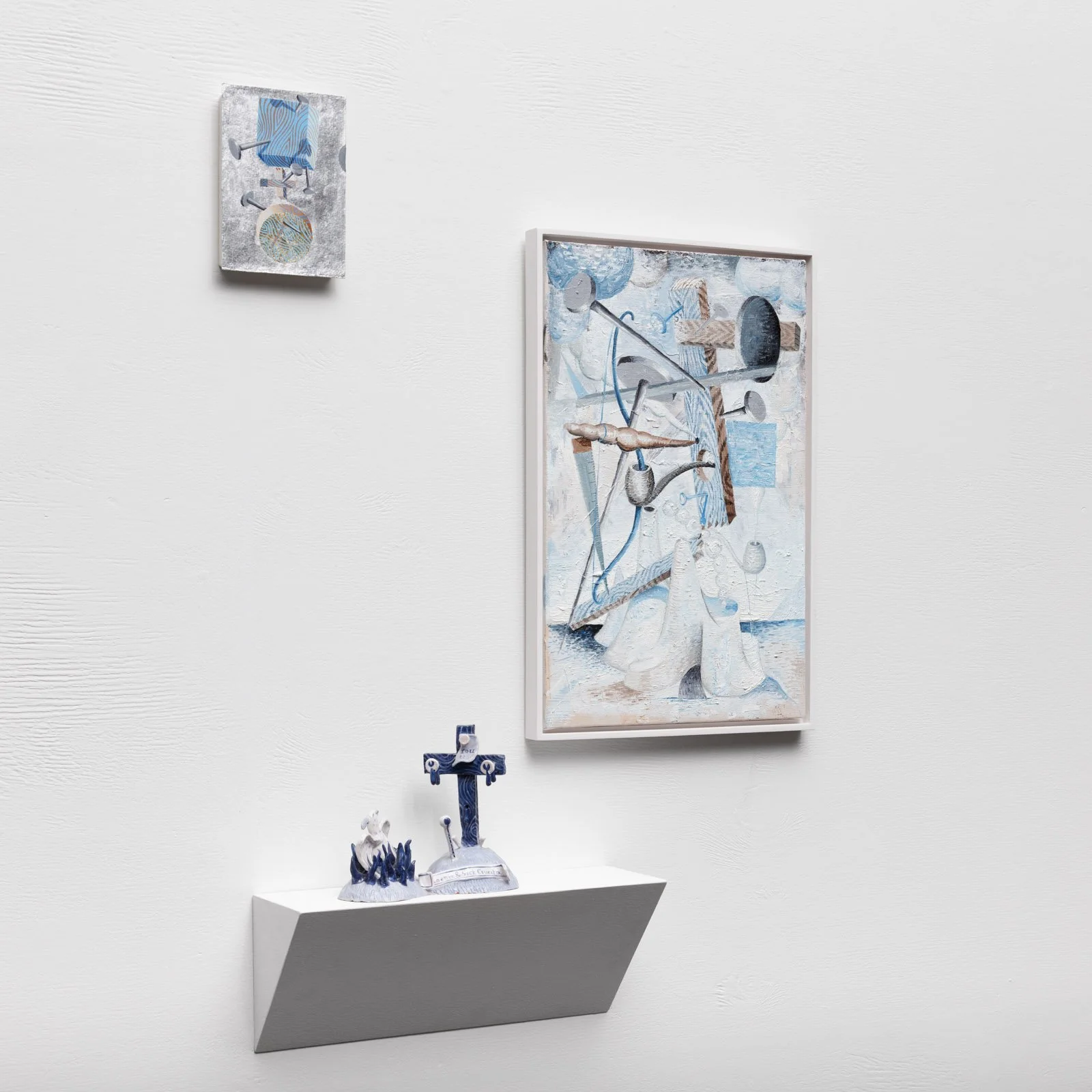
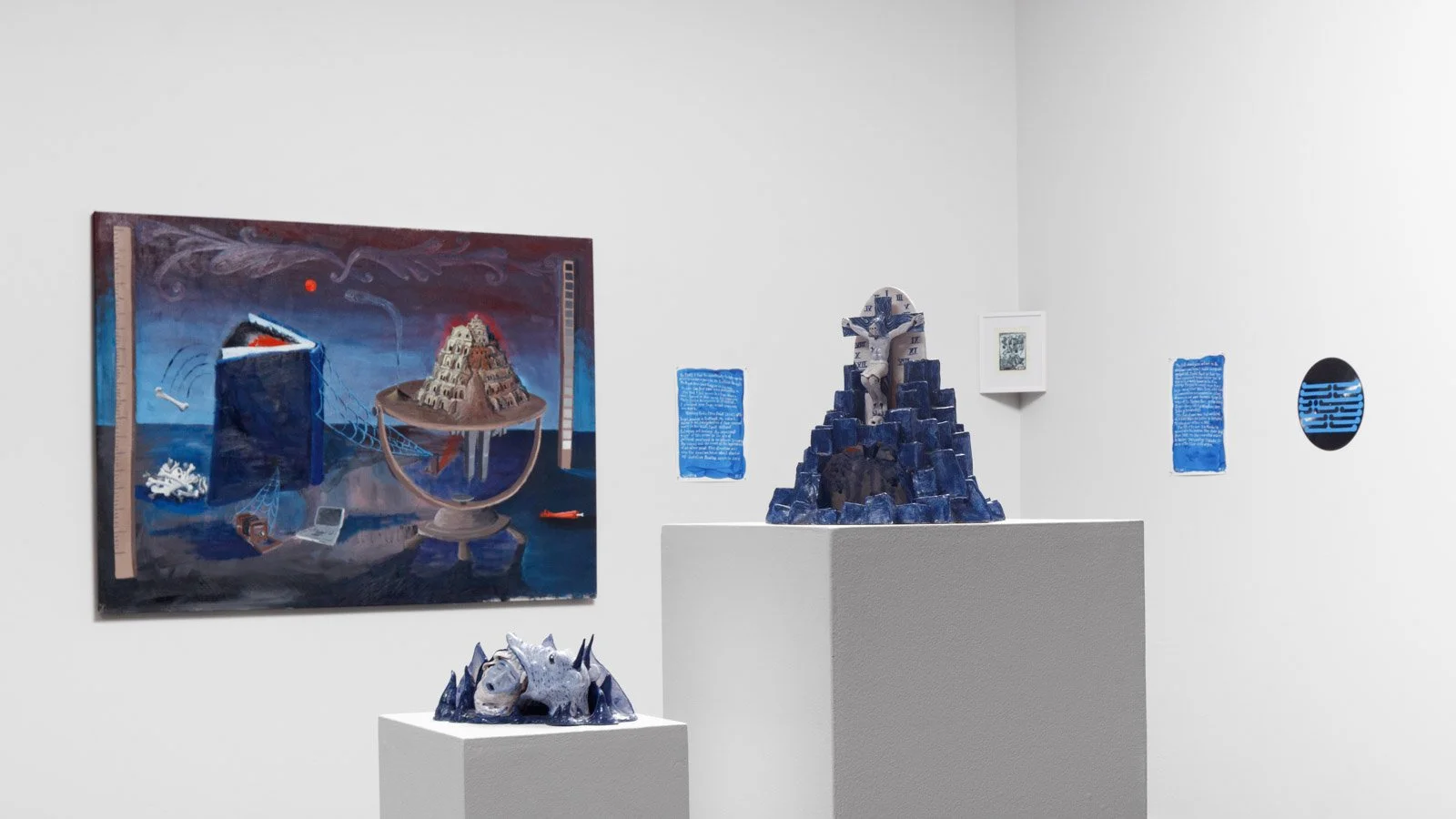
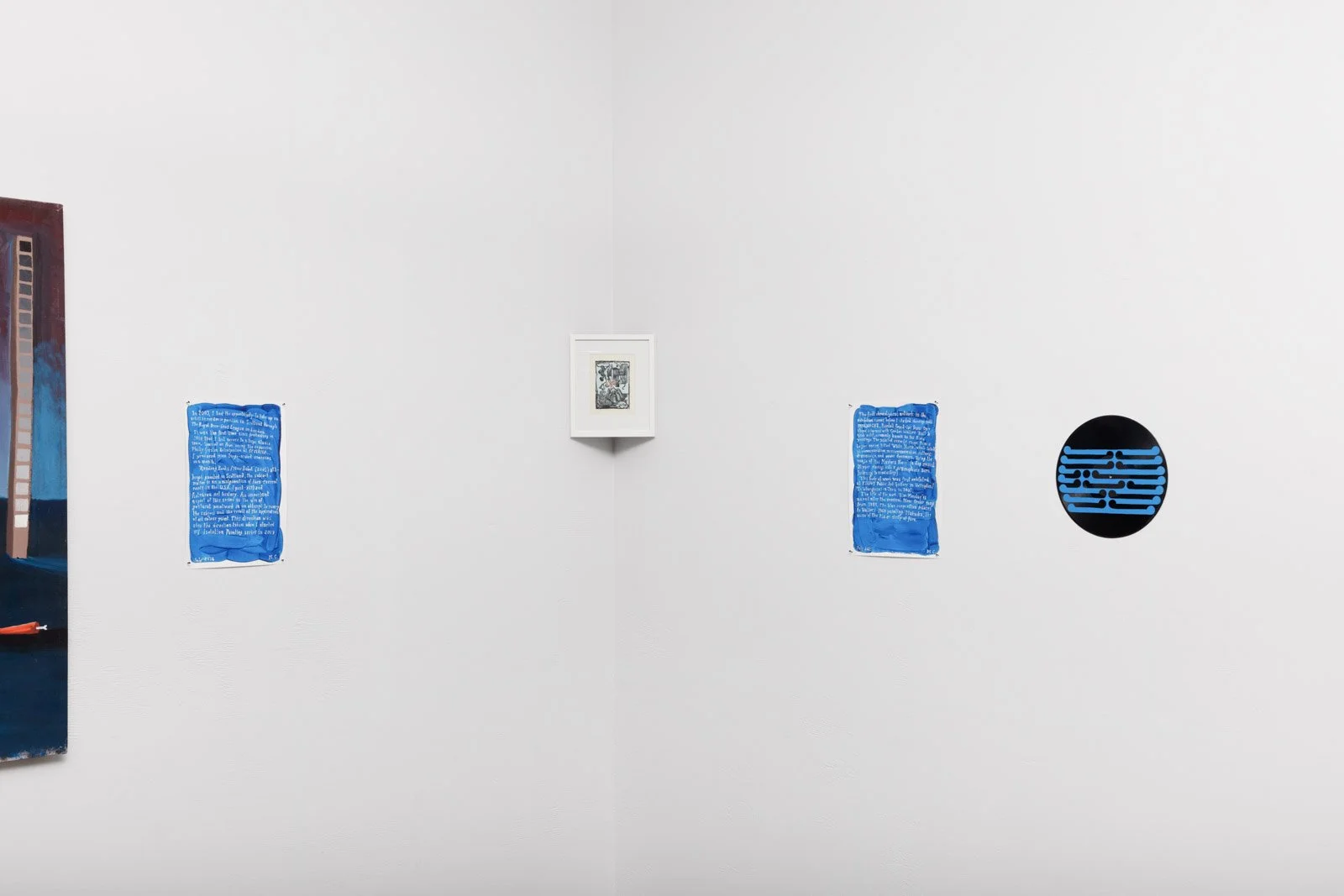
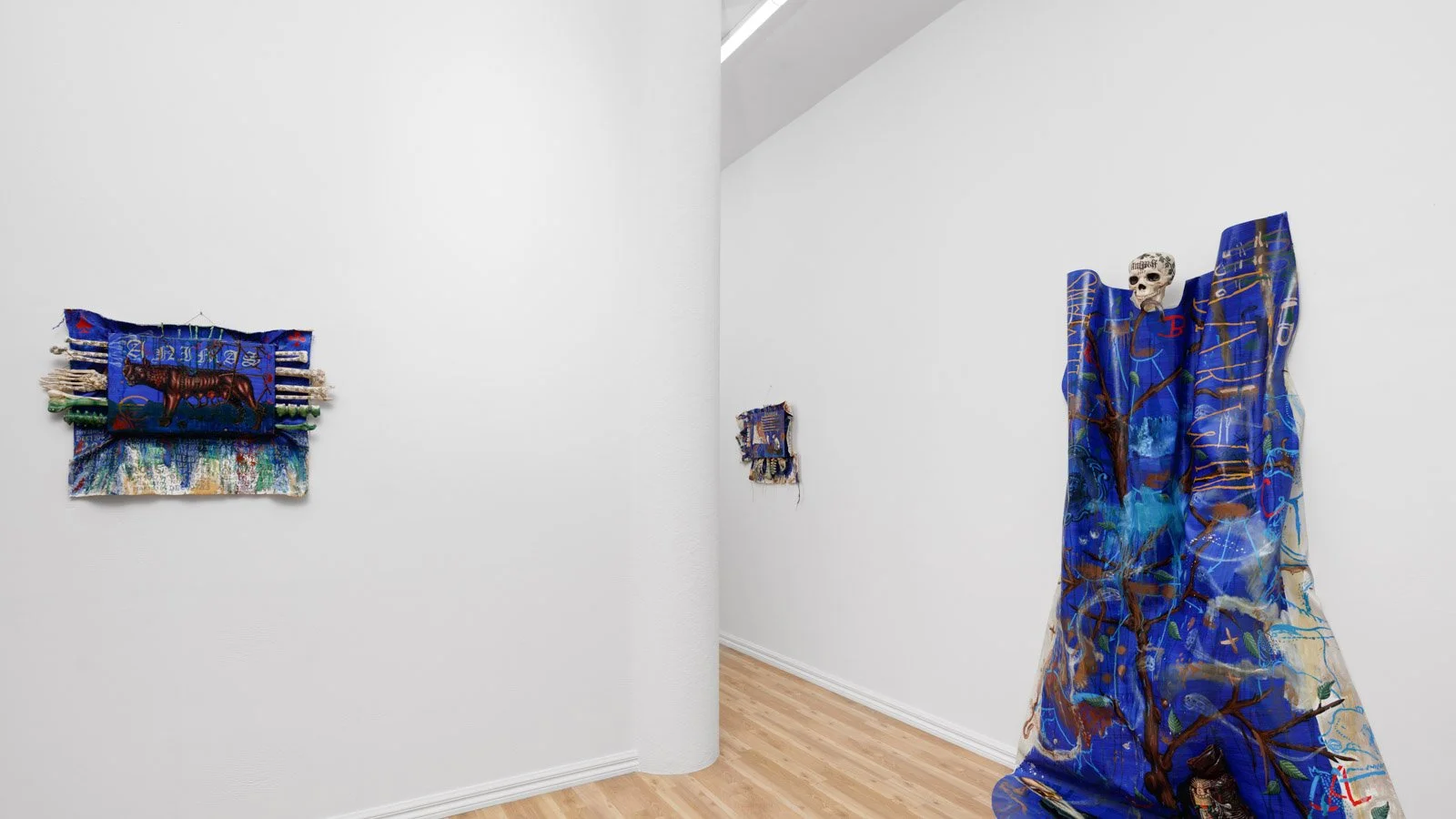
The Persistence of Blue marks twenty years of collaboration between Matthew Couper and PAULNACHE—a relationship that has unfolded through thirteen solo exhibitions, numerous group exhibitions and art fairs, touring museum projects, and a sustained conversation about what painting can do. Since first exhibiting MythMaker in 2006, the gallery has accompanied Couper's practice through its many turns: from Wellington and Whanganui in Aotearoa / New Zealand to the Mojave Desert in the American Southwest, from intimate drawings to large canvas installations, from colonial histories to ecological anxieties. This exhibition gathers works spanning nearly three decades, from 1999 to 2026, drawn from PAULNACHE's own holdings and inventory of the artist’s work. It is both an exhibition and an archive, a portrait of a practice seen through the accumulation of time.
The title suggests less a colour than a condition. Blue is the thread running through these works, though it never settles into a single meaning. It shifts as Couper's concerns shift. In earlier paintings it belongs to the waters of encounter and colonisation, to the unstable territory of Aotearoa's historical imagination. More recently it becomes the colour of scarcity: the vanishing reservoirs of the American Southwest where the artist now lives and works. Blue is never simply descriptive. It carries memory, distance and existential notions. It is both atmosphere and warning.
Art history has long invested blue with extraordinary weight. Ultramarine, ground from Afghan lapis lazuli, once carried the prestige of gold, allowing painters such as Giotto to transform the heavens into something tangible yet unreachable. Couper inherits none of that reverence directly, but he understands blue's peculiar ability to hold contradiction: beauty and melancholy, abundance and absence, permanence and loss.
Revolution and return is one of Couper's enduring methods. Images rarely disappear; they are recycled, translated and reimagined across decades. Figures migrate from one painting to another, accumulating new meanings with each appearance. Histories behave the same way. Rather than presenting the colonial past as something fixed, Couper treats it as unfinished business, repeatedly resurfacing in the present.
Seen together, the works in The Persistence of Blue reveal an artist less interested in stylistic consistency than in sustained inquiry. Motifs recur, disappear and return. Histories fold into the present. Places echo across continents. Blue persists because the questions persist—not as answers waiting to be resolved, but as ways of seeing that continue to unfold with each new painting.
Catalogue
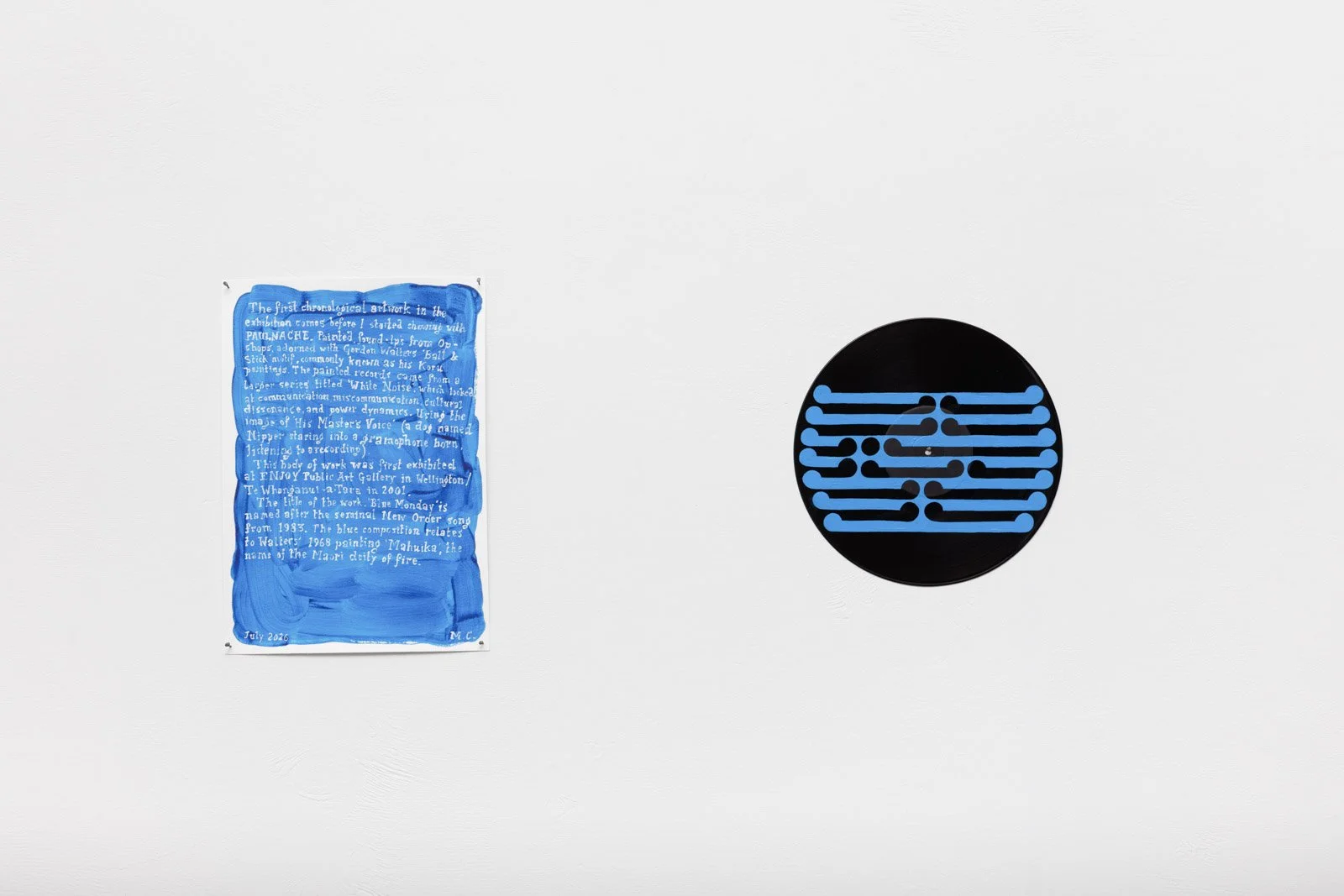
Blue Monday
1998
Oil on found record
12" diameter
$750
Cook & Plane
2007
Oil on canvasboard
22 x 30cm framed
$1,200
CAVE (ex-voto)
2020
Oil on stretched canvas
1370 x 1780 x 3cm
$20,000
Snowblind Catalyst Island
2026
Oil on canvas
60 x 43cm framed
SOLD
Boat Ride
(S-104, Pg 202, Nakov)
2026
Oil and gold leaf on panel
23 x 14cm
SOLD
Dormant Forms
2026
Oil on canvas
50 x 32cm framed
$3,500
Mixed Sensations
(S-338, Pg 263, Nakov)
2026
Oil and gold leaf on panel
19 x 24cm
SOLD
Gauge Island
2026
Oil on canvas
30 x 22cm framed
$1,800
Three Fundamental Elements (S-223, Pg 228, Nakov)
2026
Oil on silver leaf, mounted on card and wooden frame
17 x 12cm
SOLD
Late Lintel Construction (Blue)
2020
Oil woodblock print and acrylic on Strathmore 600
14.5 x 10cm / 22 x 18cm framed
Edition 2/4
Numbered, titled and signed
$550 framed
Right Wing Tourism (First Class)
2000
Oil on board
11.5 x 46cm
$1,200
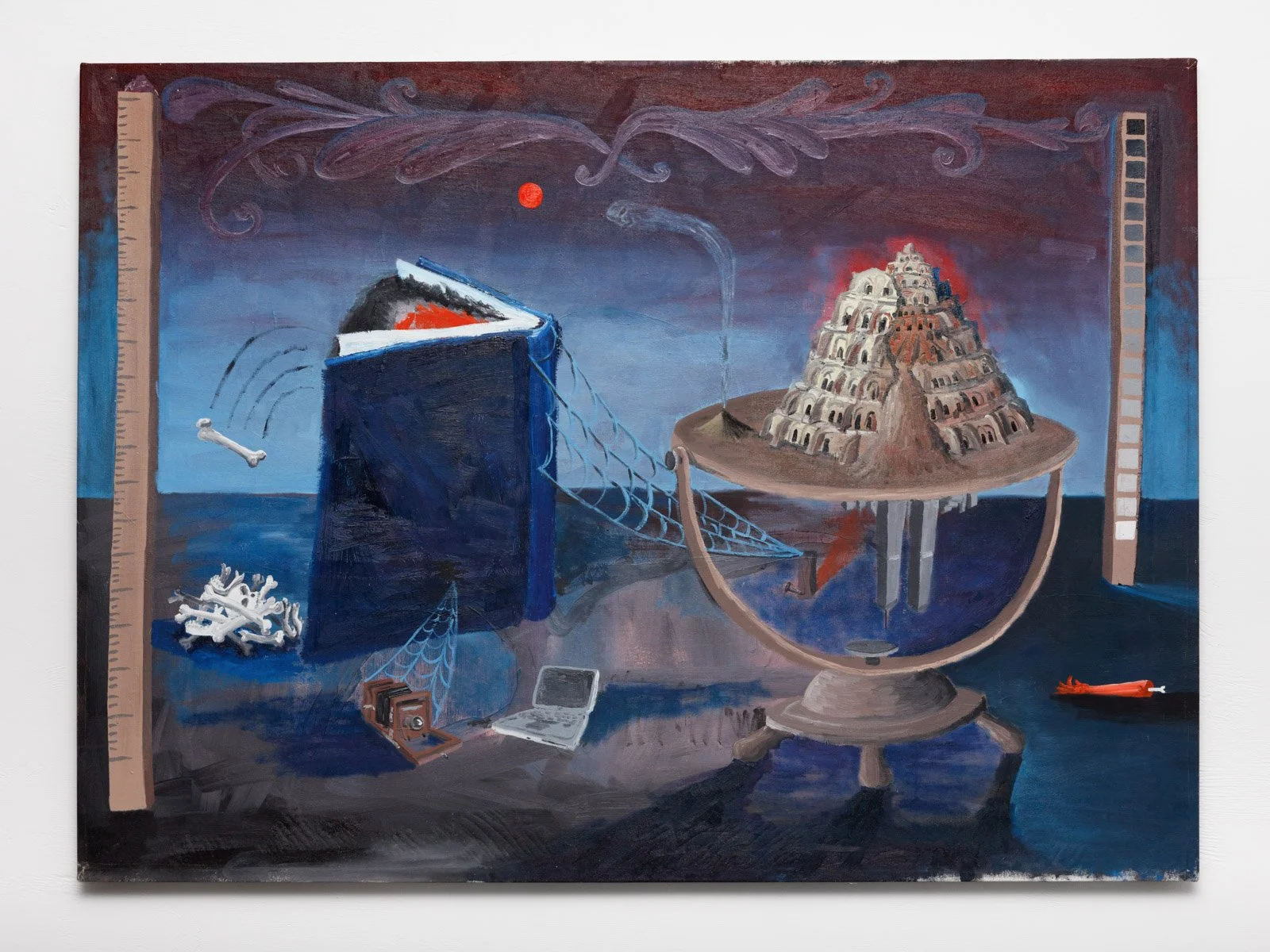
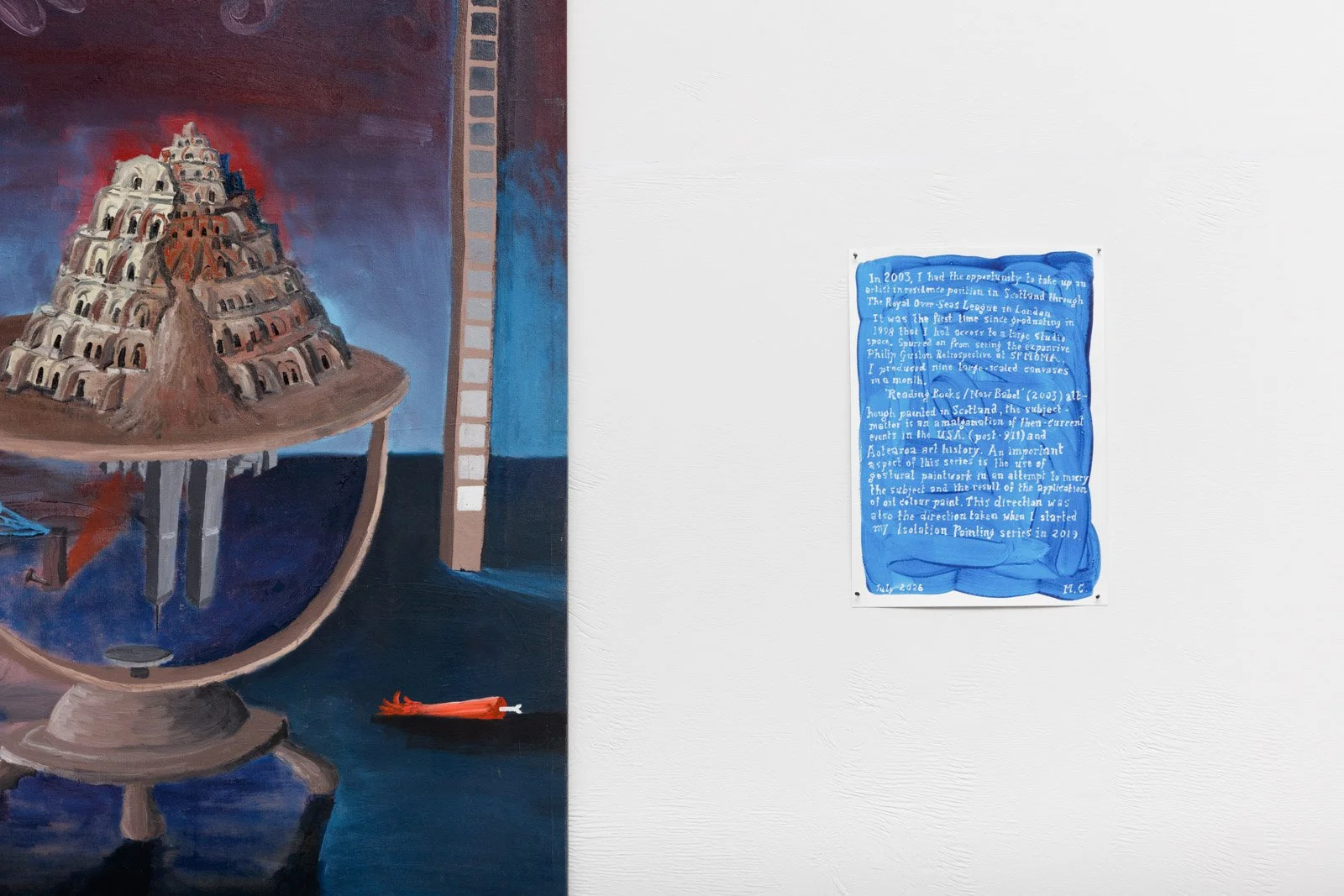
New Babel
2004
Oil on canvas
127 x 173cm
$18,000
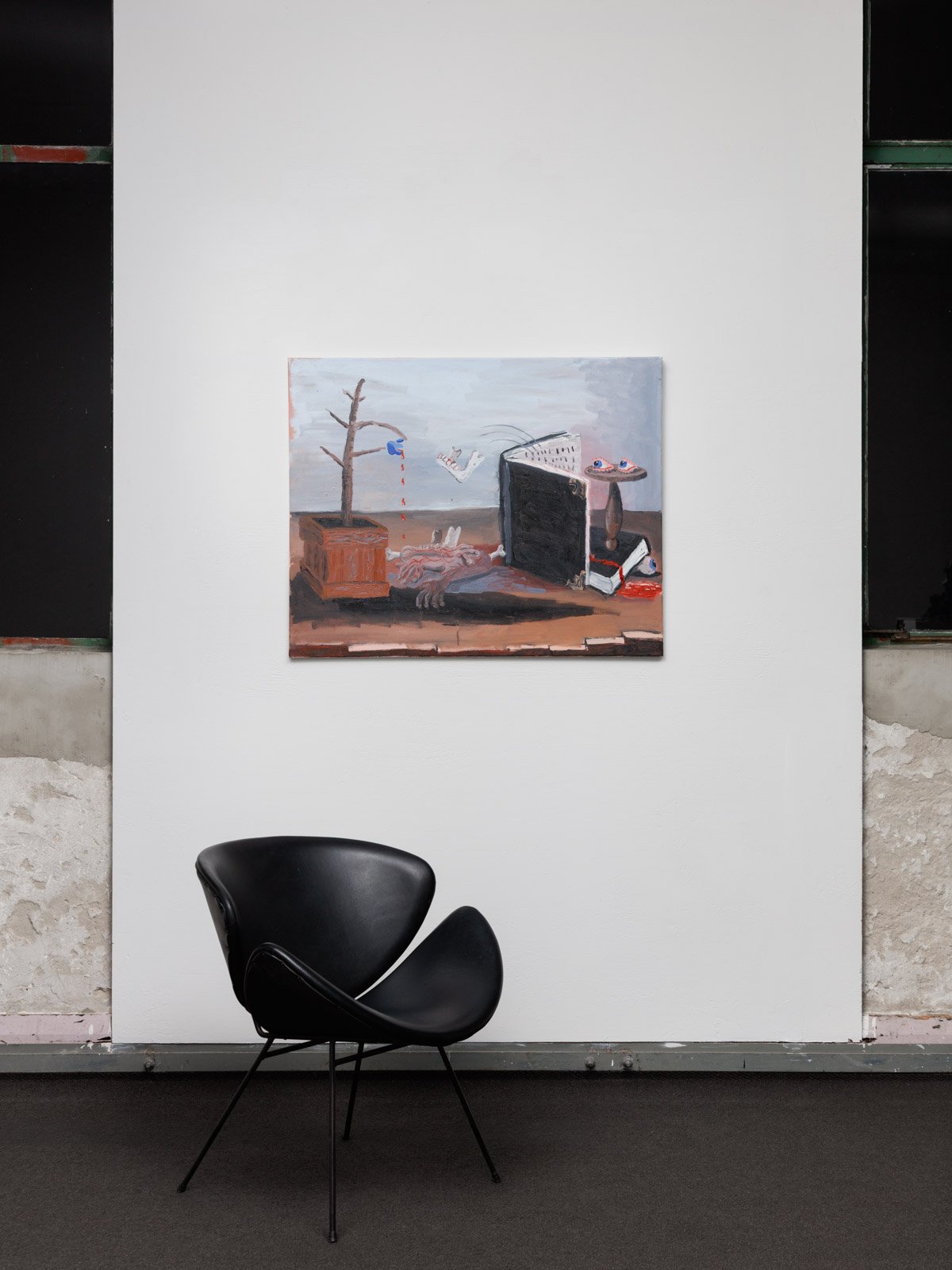
Reading Books (Dead Hands)
2004
Oil on canvas
80 x 100cm
$5,000
Meadows Medusa
2010-15
Oil on canvas and wood, scrimshaw and assorted souvenirs and ephemera
230 x 160 x 30cm
$15,000
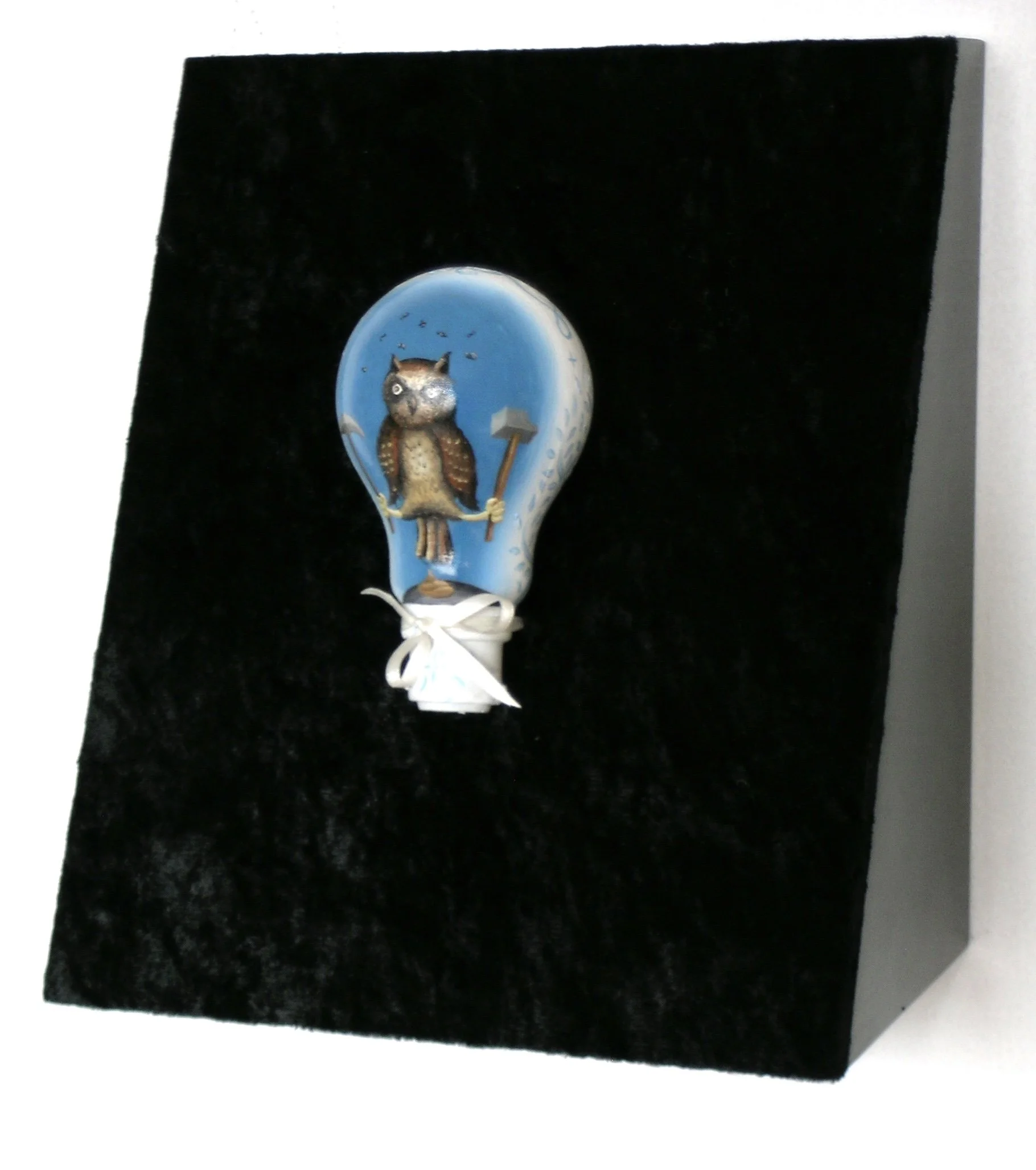
Variable Knowledge (Blue)
2007
Oil on lightbulb, mounted on black velvet
23 x 80 x 13cm
Also available:
Variable Knowledge (Red), (Yellow) & (Brown)
$750 ea.
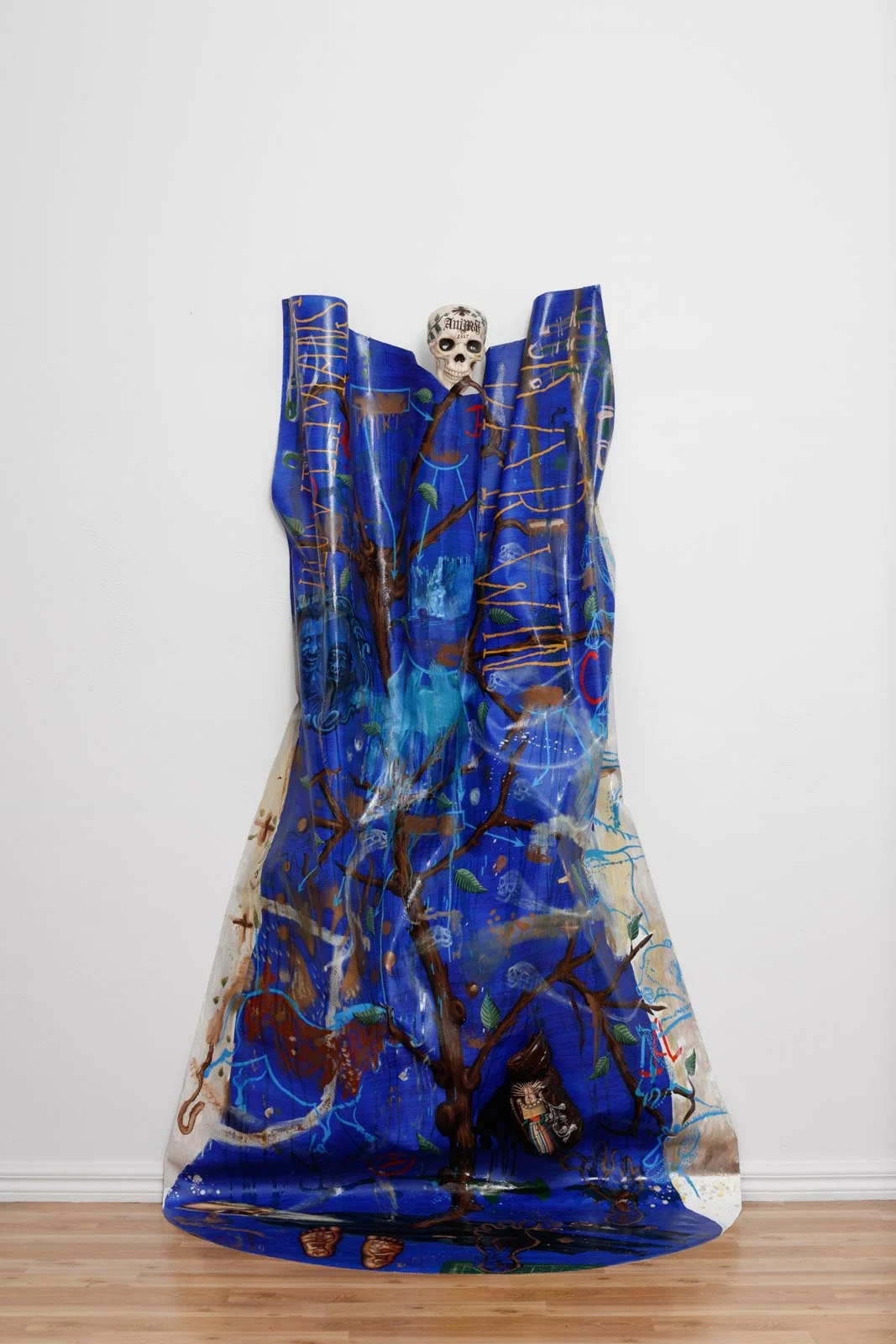
Crypto-Spectre of an Anamorphic Vertical Zoological Family Tree
2017
Oil and synthetic polymer on canvas, plastic, wood and boxing glove
134 x 214 x 27cm (irregular)
$12,500
Animas (Great Seal)
2017
Oil on canvas and plastic
36 x 60 x 5cm
$3,500
Bone Coat of Arms
Animas Series
2017
Oil on paper
45 x 35cm framed
$1,800
Water Index Transportation Exodus
Animas Series
2017
Oil on paper
45 x 35cm framed
$1,800
Animas (Floating Dog)
2019
Oil on canvas and plastic
53 x 71 x 5.5cm
$4,500
Golgotha (Wine Decanter)
2011
Ceramic with painted glaze
26 x 30 x 27cm
$3,300
Sphinx (Jewellery Box)
2010
Ceramic with painted glaze
40 x 16 x 13cm
2x re-moveable parts/lids
$2,200
Hell (Envelope holder)
2010
Ceramic with painted glaze
23 x 12 x 10cm
$1,100
Phoenix & Sick Crucifix
2011
Ceramic with painted glaze
20 x 10 x 16cm
SOLD
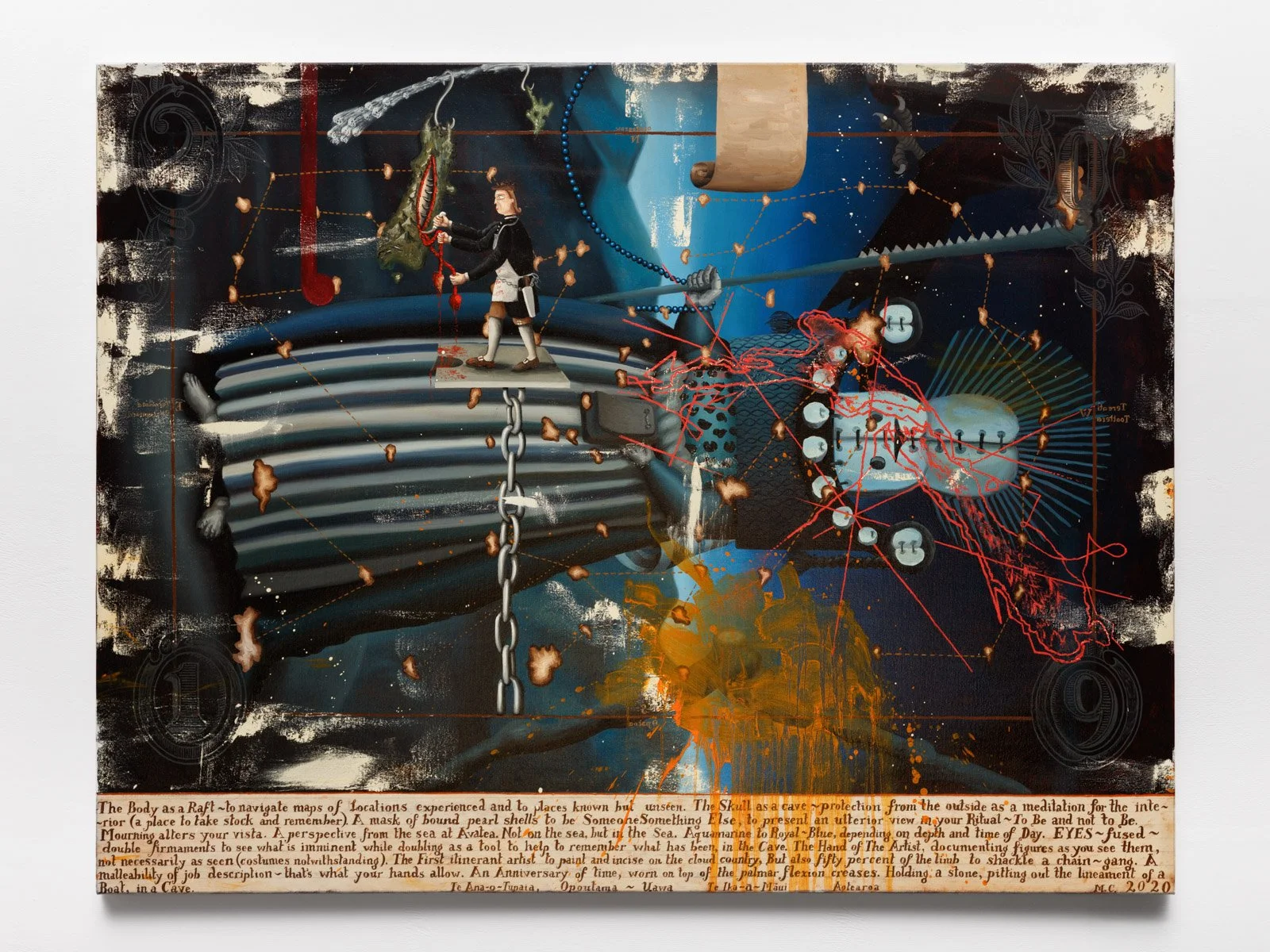
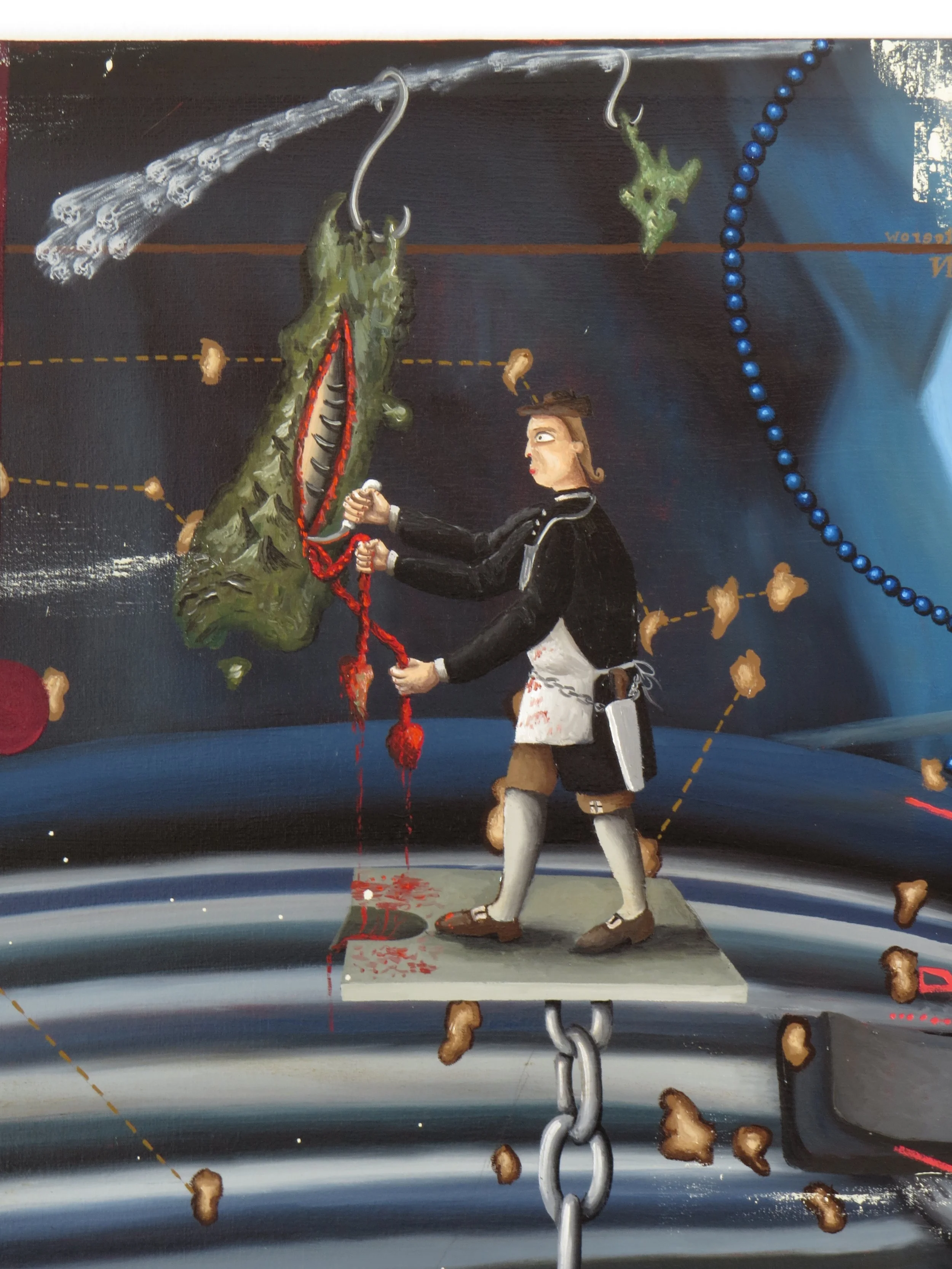
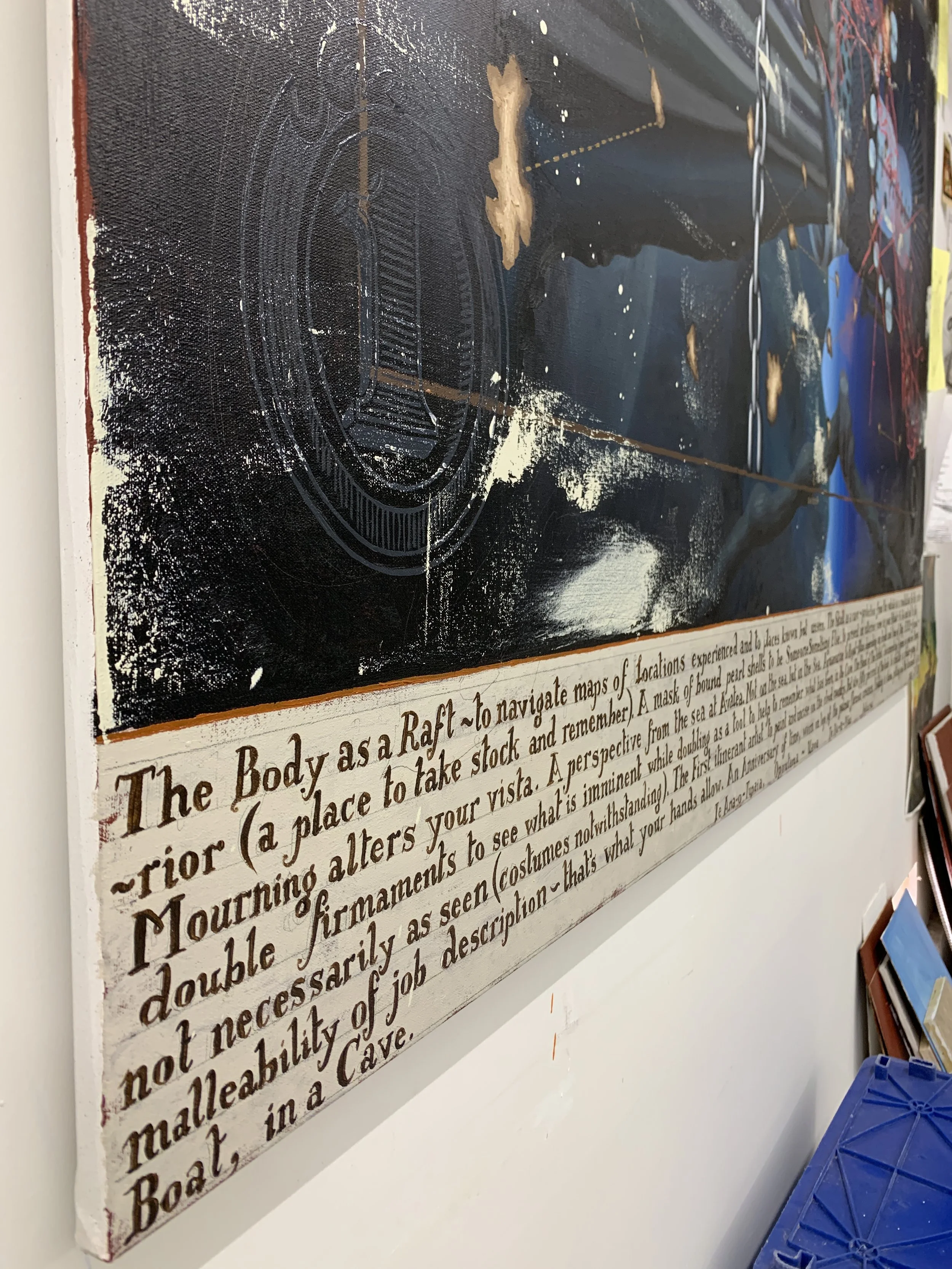
CAVE (ex-voto)
Matthew Couper’s magnificent ex-voto painting entitled CAVE, created in 2020, Oil on canvas, 1370 x 1780 x 3cm courtesy of the artist & PAULNACHE
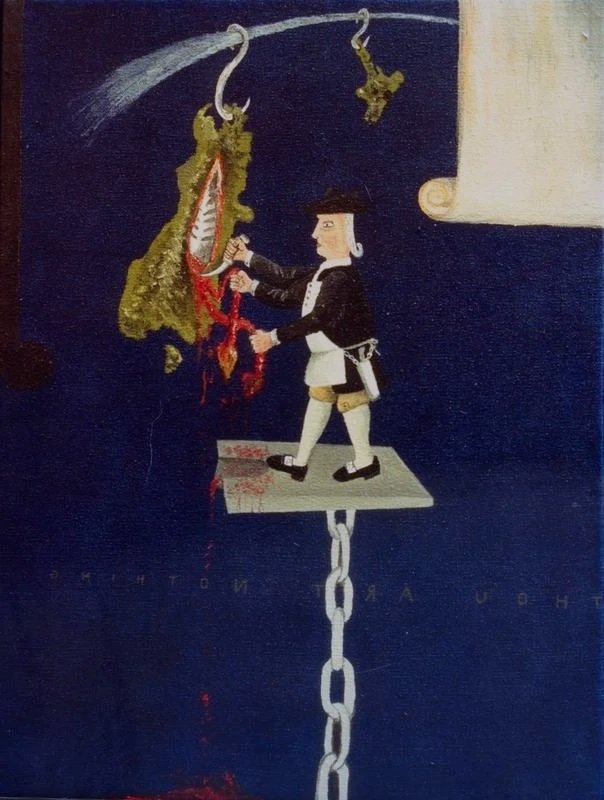
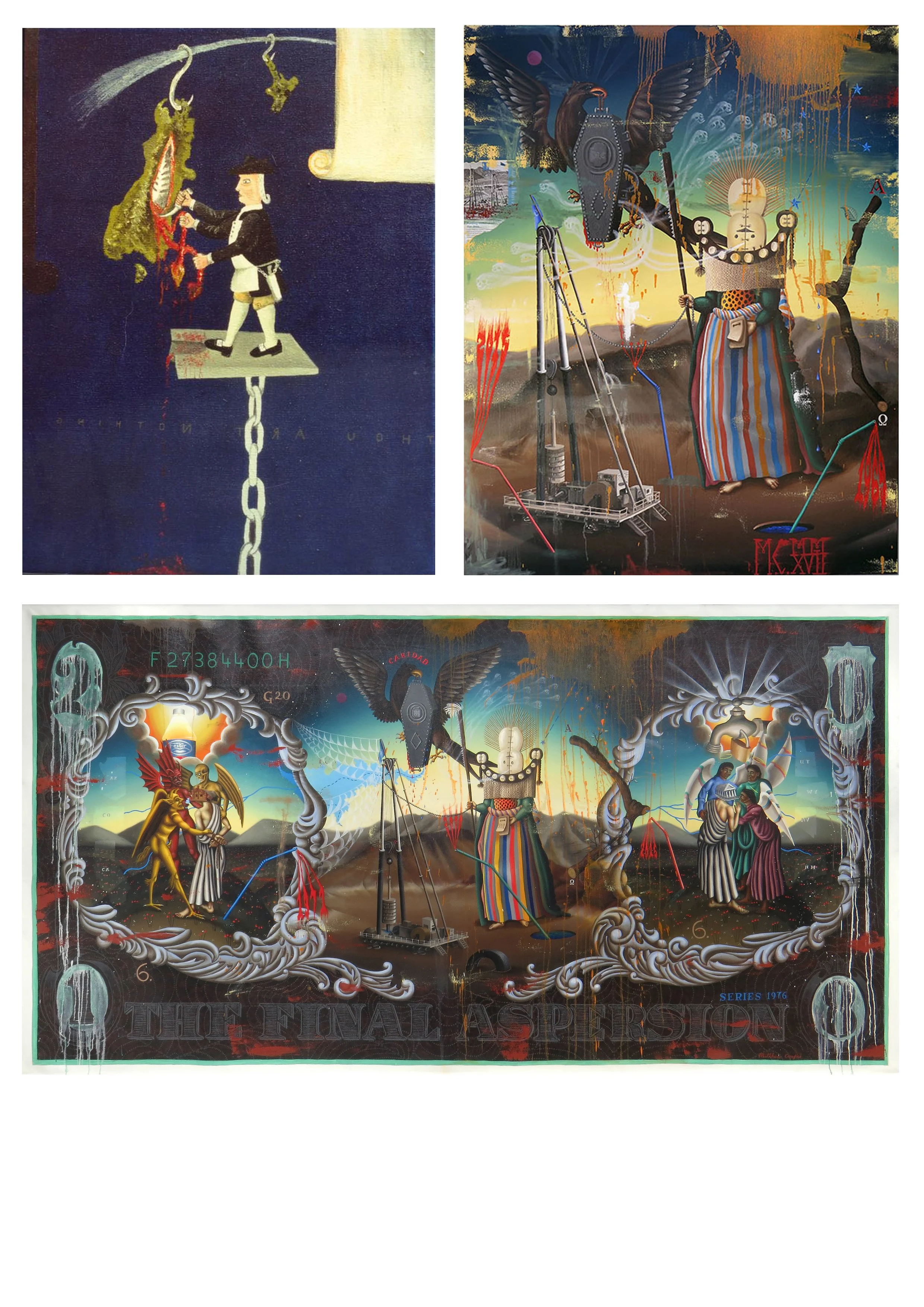
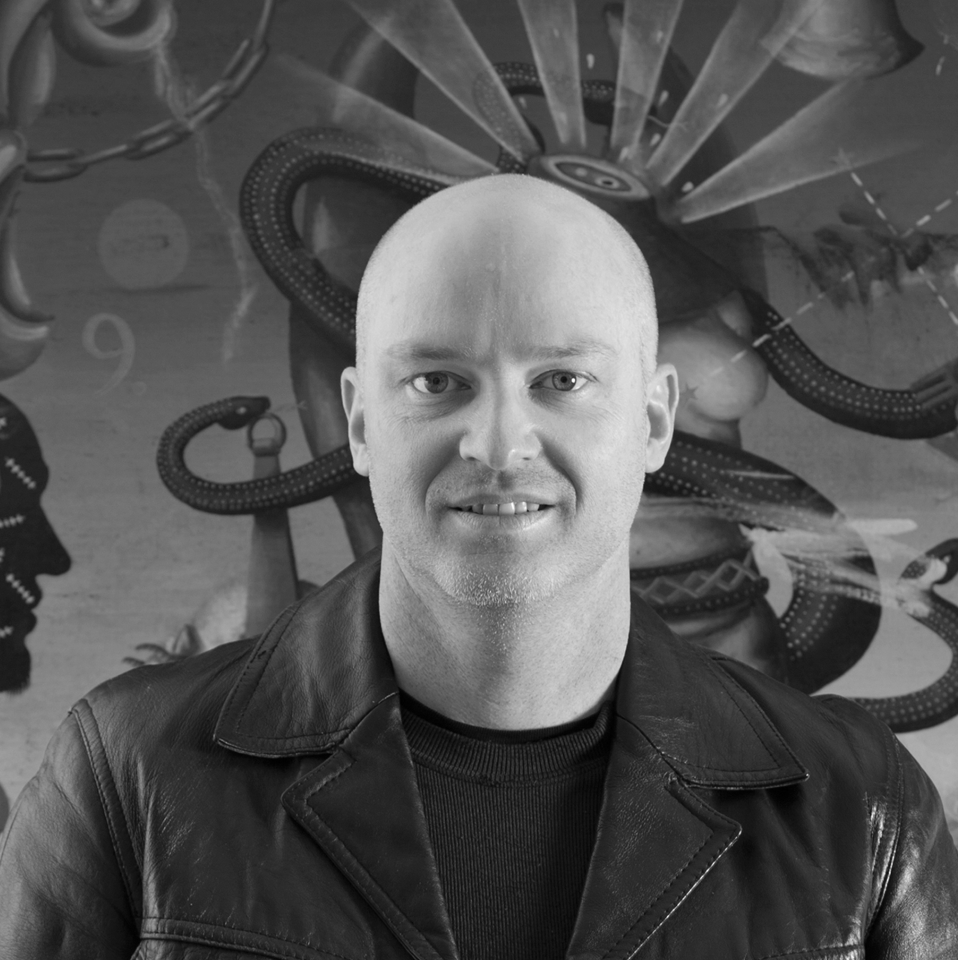
Matthew Couper is an Aotearoa / New Zealand-born artist, living and working in Las Vegas USA. Matthew has traveled home to attend his opening to celebrate twenty years representation with PAULNACHE, Gisborne.
Although Couper now lives in the Mojave Desert, he seems to be looking back to the seclusion and isolation of Aotearoa - especially in a post-Covid world - the term ‘desert island’ reconnecting his two worlds back together in paint.
Contact the Gallery for purchase enquiries or further information about the artist.
Acknowledgements
Curated by: Matthew Couper & Matt Nache
Writing/text: © Matthew Couper 2026
Photography & videography: Thomas P Teutenberg
Supporting: TW Wines Gisborne & “Gizzy Gold” @ Sunshine Brewery